A key makes a function easier to access. When that function concerns an AI agent’s work, it also brings a decision closer: what do we let proceed? What do we check? Where do we intervene? Radar Special N5A (in Italian) begins with Codex Micro to observe the transition from chat to desk and the responsibilities accompanying it.
From chat to desk: governing the work of AI agents
Special Issue 5A | 16 July 2026 | Approximately 6 minutes to read
1. A small object changes the gesture
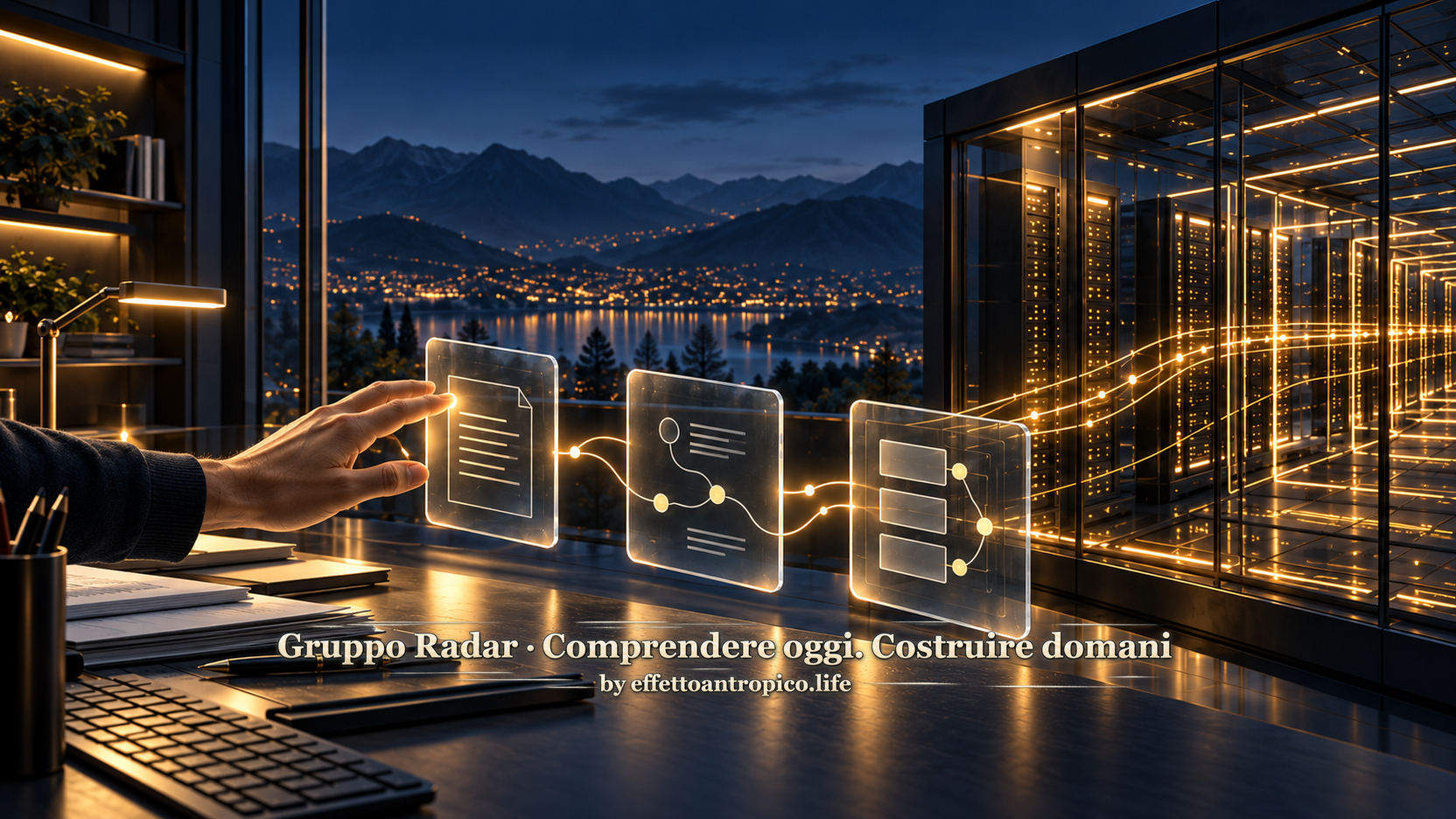
In chat we are used to writing, waiting and reading. When we entrust several activities to a system, this relationship broadens: one piece of work proceeds, another needs clarification, a third has prepared a change we must examine. The problem becomes seeing these stages without losing them among windows.
Codex Micro, made by OpenAI with Work Louder, emerges in this space. It is a desktop controller: a small physical panel calling up application commands. Its makers describe illuminated keys showing activity status, dedicated controls and a dial to adjust the reasoning level requested. Functions are illustrated on the official OpenAI and Work Louder pages.
Its significance does not end with the button’s ease of use. Bringing an activity closer changes how we perceive it: a request for intervention becomes a light to recognise, an approval a precise gesture. The quality of that gesture nevertheless depends on what we can understand before making it.
2. Seeing an activity does not mean having verified it
A light can tell us the system has finished. Understanding whether it worked well requires opening the result. The difference seems small, but becomes decisive when an answer turns into a file, a code change or an action within a connected service.
We can think of an AI agent as a system organising steps and using tools to reach a goal. Its operational scope depends on available data and permissions received. A status indicator makes one point in the sequence visible; it does not certify that the document is accurate, the change respects the request or the recipient is correct.
For this reason, a good workspace must distinguish a completed activity from an examined result and an approved decision. If these stages are confused, the person risks authorising on trust what the system presents merely as ready.
🧠 Radar Insight — Colour guides; reading decides
Imagine an agent has updated a spreadsheet. The light signals that processing has ended; verification means checking data, formulas and changed files. Only then can we decide whether to use the spreadsheet. A useful interface makes it easy to move from the signal to the content justifying it.
3. The work becomes coordination
With several activities underway, skill no longer consists only in formulating an effective request. Tasks must be ordered, independent ones separated from those depending on a previous result, and stages requiring a stop recognised.
Coordination begins before starting. An agent can prepare a proposal without permission to send it; organise materials without being allowed to delete originals; look for an error without changing settings unrelated to the problem. These boundaries must be understandable both to whoever assigns the work and to whoever examines it.
A controller can help move attention between tasks. Coordination remains in the method by which we defined them. As activities multiply, making priorities, limits and results clear also protects the person’s time: attention can be devoted to the points truly needing it.
4. When convenience becomes automatic habit
A shortcut gains value by saving us from repeating a gesture. Yet this very ease can turn a choice into habit. If the same command accepts very different interventions, pressing before reading becomes easier.
Oversight should accompany an action’s consequences. Correcting a word and authorising a change involving other files require different attention. For an important action, the target, the content of the change and the practical possibility of going back must be visible.
Speed can give us mental room when it reduces repetitive work. It takes that room away when it pushes us to decide without context. One question to ask of an interface is therefore how much it helps us recognise this difference while using it.
⚠️ Something to watch — An approval must have an object
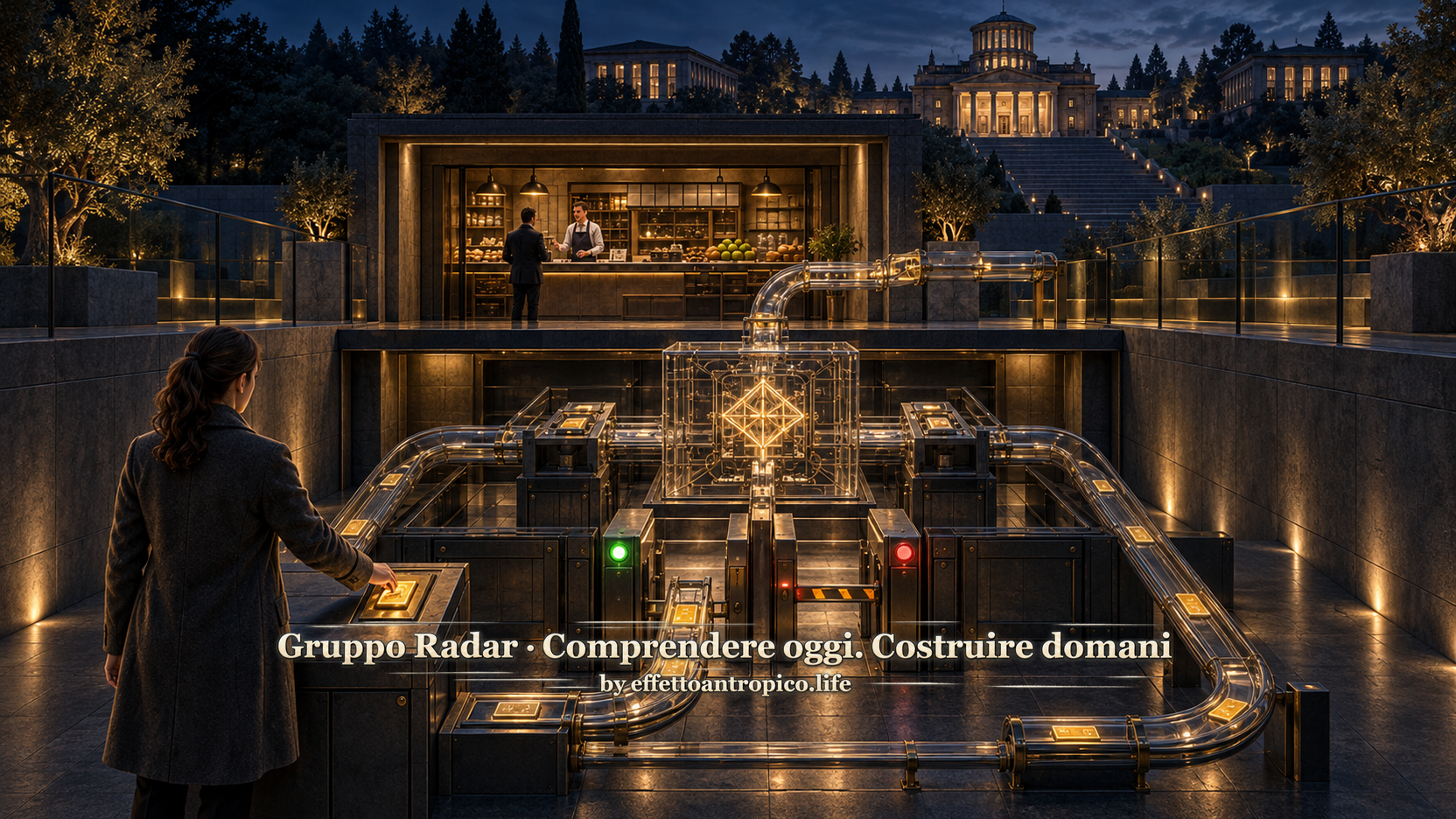
A quick command is more reliable if the person sees exactly what they are authorising: which document changes, which action starts and with what access. If context is missing, stopping is not a flaw in the flow. It is the moment that prevents a shortcut from becoming a decision taken in the dark.
5. The object on the desk and what makes it work
A physical device gives an immediate sense of possession: it is here, we can touch it and choose where to put it. The service it opens up may instead depend on an account, software and computing resources managed elsewhere.
This distance deserves attention. Local control of a button does not tell us which data travels, how long it remains available, which terms govern access or what happens if the service changes. These questions concern the whole environment even when its most visible part is a small, well-designed object.
Understanding this chain allows the controller’s usefulness to be assessed without loading it with promises. It can make existing functions more accessible. Work continuity and the protection of materials also require file organisation, proportionate access and results the person can find again and check.
6. The expertise remaining with the person
From chat to desk, the most interesting transition concerns attention. Working with agents requires following a process: recognising what is proceeding, understanding a stop, reading a proposal and correcting a plausible error.
The value of these tools is measured in the room they return to judgement. A person should be able to delegate steps without losing the ability to understand what is happening and intervene before a choice has consequences.
Codex Micro makes this question tangible. The work ahead will have different interfaces, but must always leave a clear place for the decision-maker. That is where everyday convenience can become responsible coordination.
Read the full issue
This reading presents some stages of Radar Special 5A. The full dossier contains the complete journey and in-depth discussions of the original edition (16 July 2026).
© 2026 Barbara Gattobigio · Gruppo Radar
Comprendere oggi. Costruire domani · by effettoantropico.life
All rights reserved on original content. Free access does not authorise reproduction or republication without consent, except as permitted by law. Third-party materials remain the property of their respective owners. To share this issue, use the link to the article.
Cover in focus